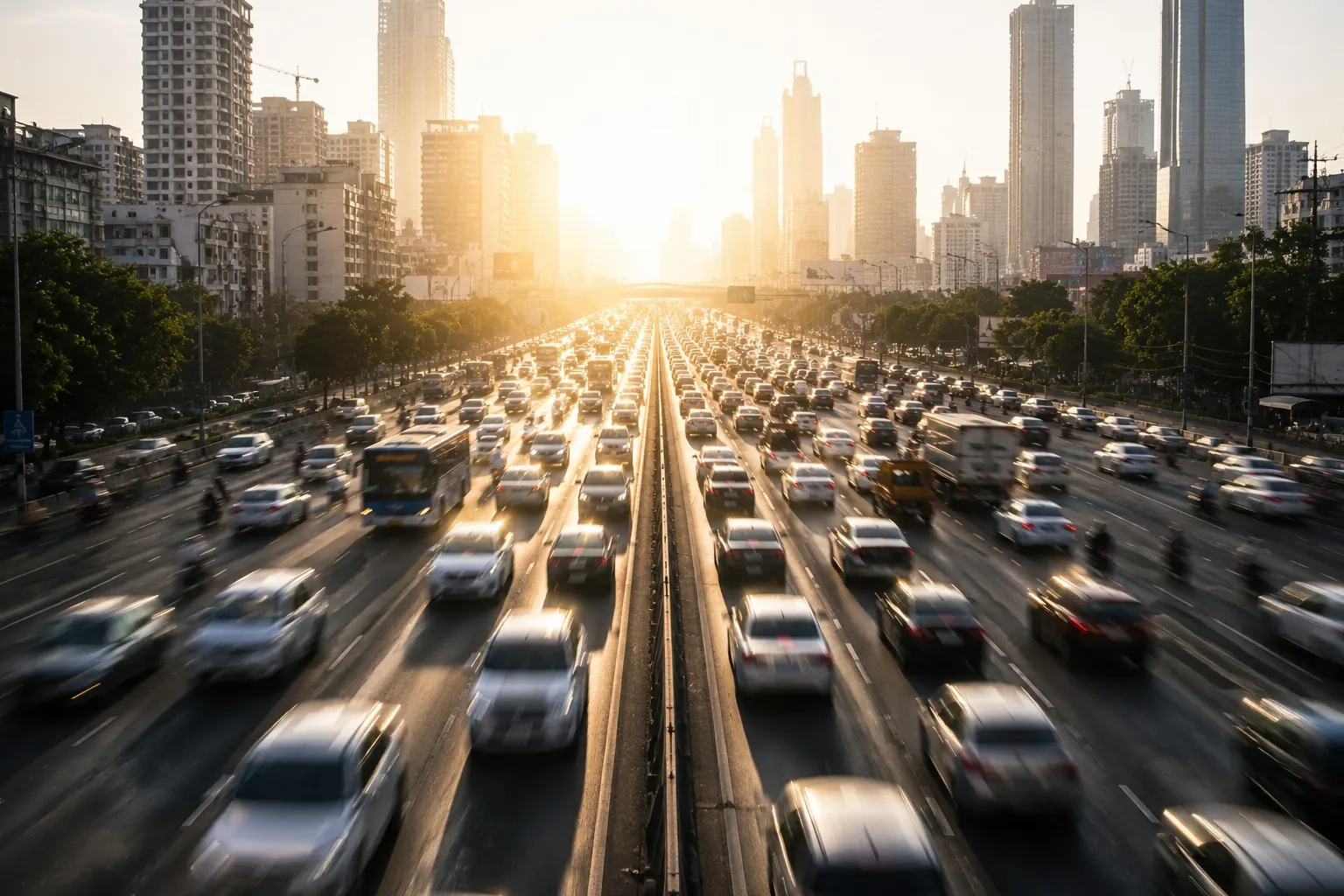
Can humanity transform its consciousness before the consequences of its current way of living transform the planet beyond recognition?
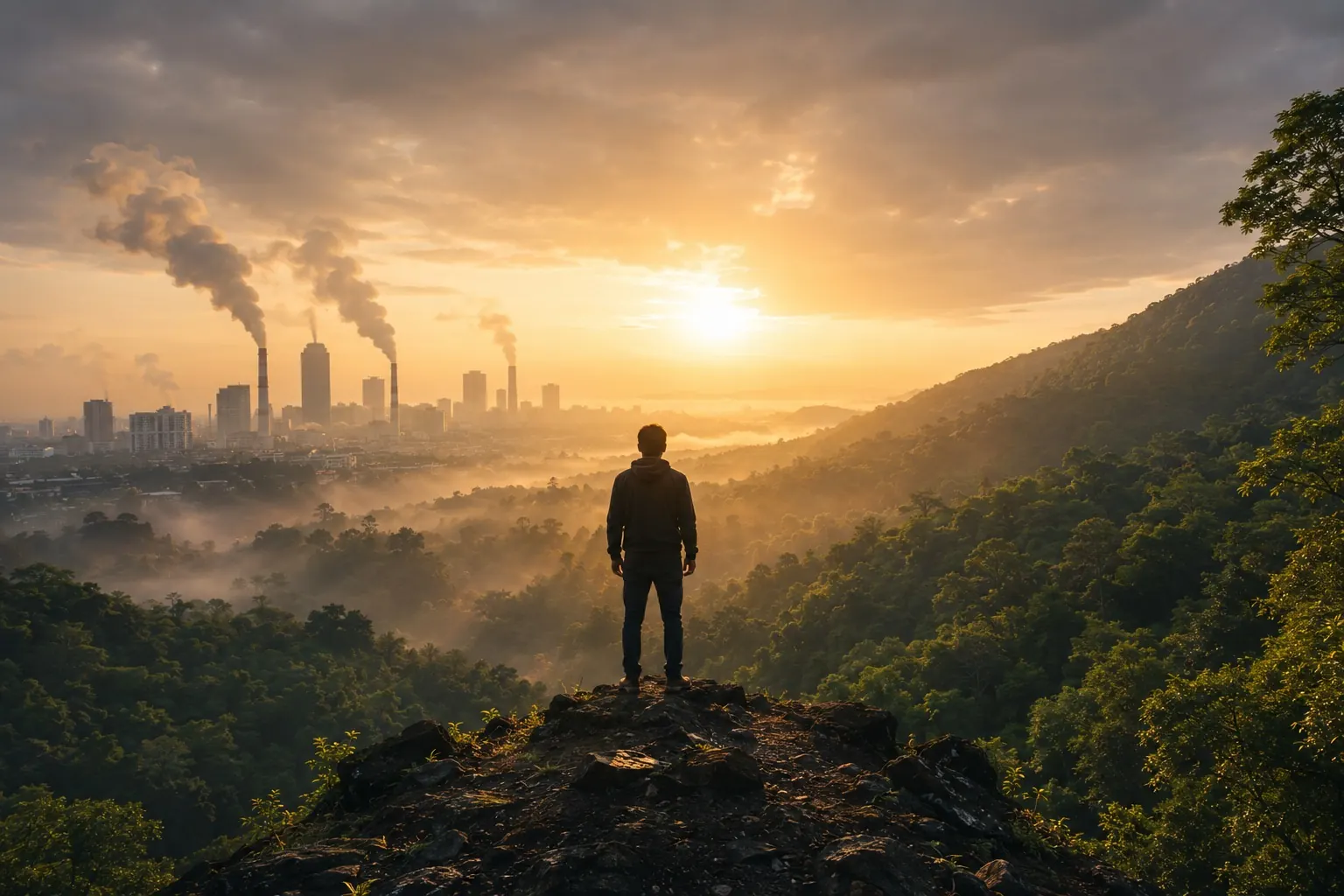
Everything in this book follows from that sentence, so it is worth reading twice. Notice what it does not ask. It does not ask whether the planet will survive; the planet will survive us comfortably. It does not ask whether technology will improve; it will. It asks about a race between two rates of change — the speed at which we alter the physical world, and the speed at which we mature.
Most public argument about the future is an argument about instruments. Which energy source, which policy, which model, which market. These arguments matter enormously and this book does not dismiss them. But instruments are downstream. Every instrument is built by someone, funded by someone, deployed for some purpose, and the purpose is set by what a civilisation believes is worth having.
A society that believes more is always better will build magnificent machines and use them to consume itself. A society that has learned the difference between enough and more will build fewer machines and use them well. The machines are not the variable. The belief is.
This is an uncomfortable position, because belief is not something a government can legislate or a company can ship. It changes slowly, person by person, and then — occasionally, historically — very fast, when enough individual changes reach a threshold and the collective story reorganises around them. Abolition, suffrage, the end of colonial empires: each looked impossible until it looked inevitable.
So the question is not rhetorical, and it is not doomed. It is open. Which is the only interesting kind of question to build a book around.
What follows is one framework for holding it: drawn from an Indian philosophical inheritance, tested against contemporary evidence, and written for anyone — of any belief or none — who suspects that the outer crisis has an inner cause.
The future is not a place we arrive at.
It is a thing we are continuously making.