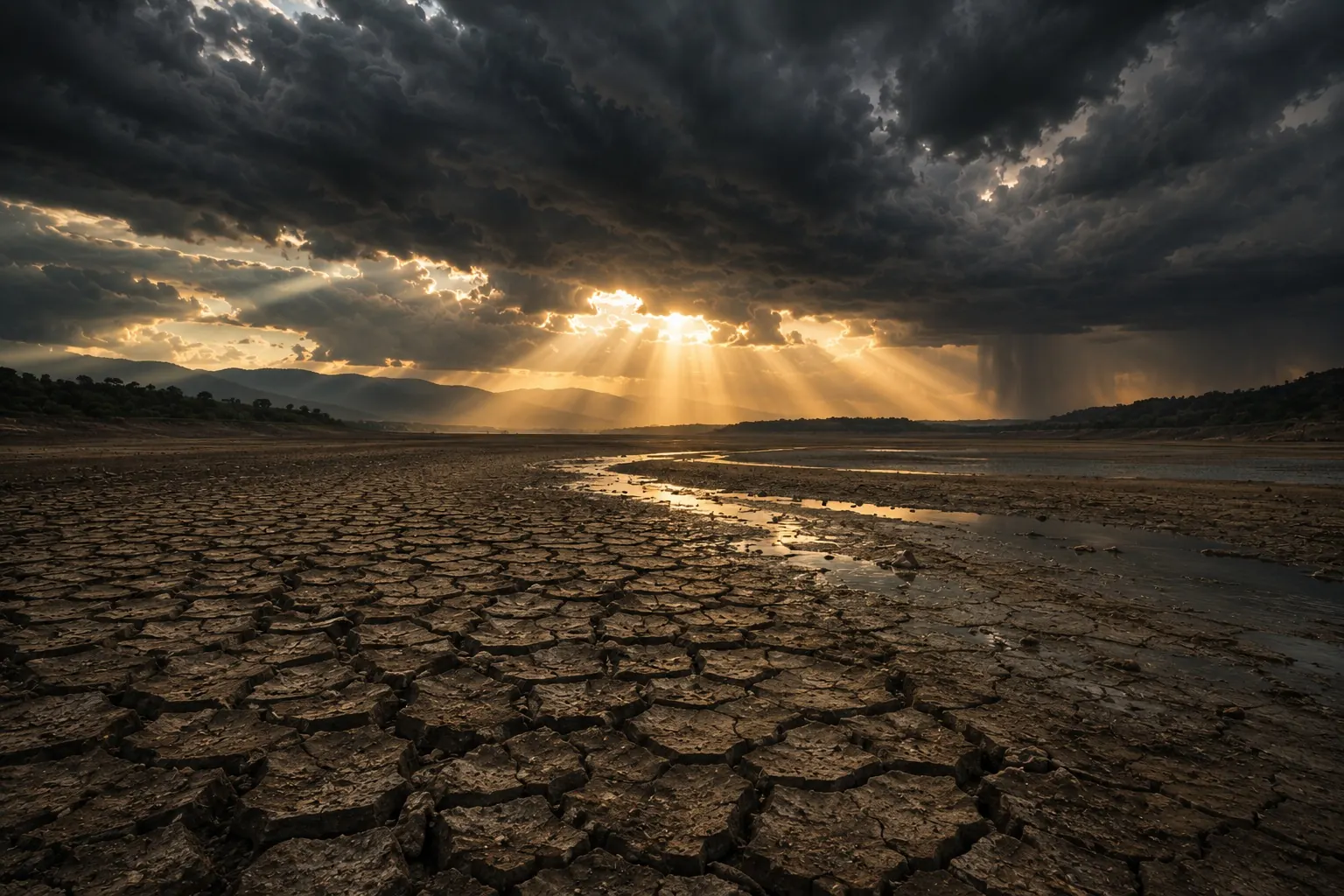
Renewal is not the same as recovery. It does not restore what was; it builds what the failure made thinkable.
Living systems are the best teachers here, and the ecology is literal rather than metaphorical. A forest after fire does not return to its previous state; it reorganises. Some species that dominated do not come back. Others, dormant for decades, require the fire to germinate at all. The system’s capacity to do this — to reorganise rather than merely resist — is what ecologists call resilience, and it is a measurable property, not a mood.
Two features of resilient systems are worth carrying into the civilisational argument. They maintain diversity, including apparently redundant diversity, because redundancy is what allows substitution under stress. And they keep memory — seed banks, mycorrhizal networks, elder trees — so that reorganisation has material to work with rather than starting from nothing.
A civilisation that has optimised every system for efficiency has removed exactly this. Monocultures in agriculture, single points of failure in supply chains, one dominant model of the good life, one language of value. Efficient, and brittle in the specific way that matters: unable to reorganise when the assumption underneath it fails.